Vertical Farming, Robotics & Sustainable Farming Methods
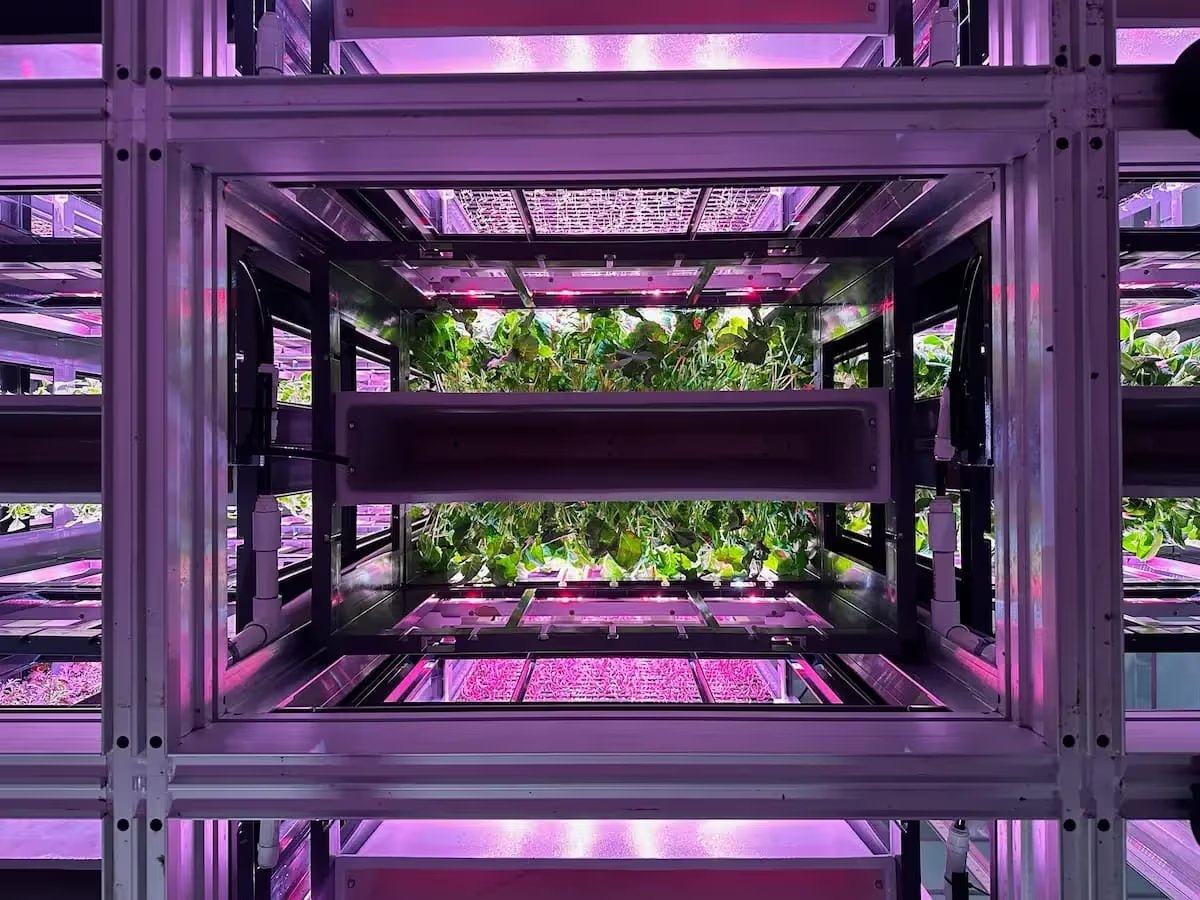
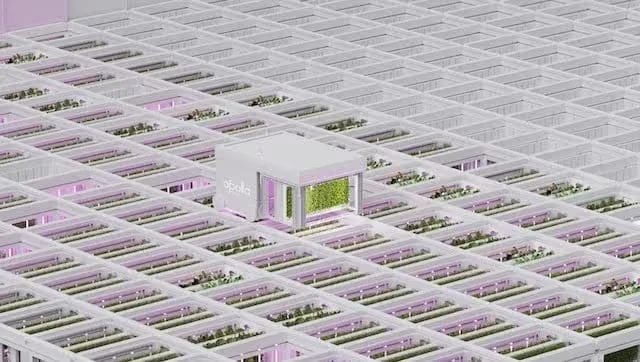
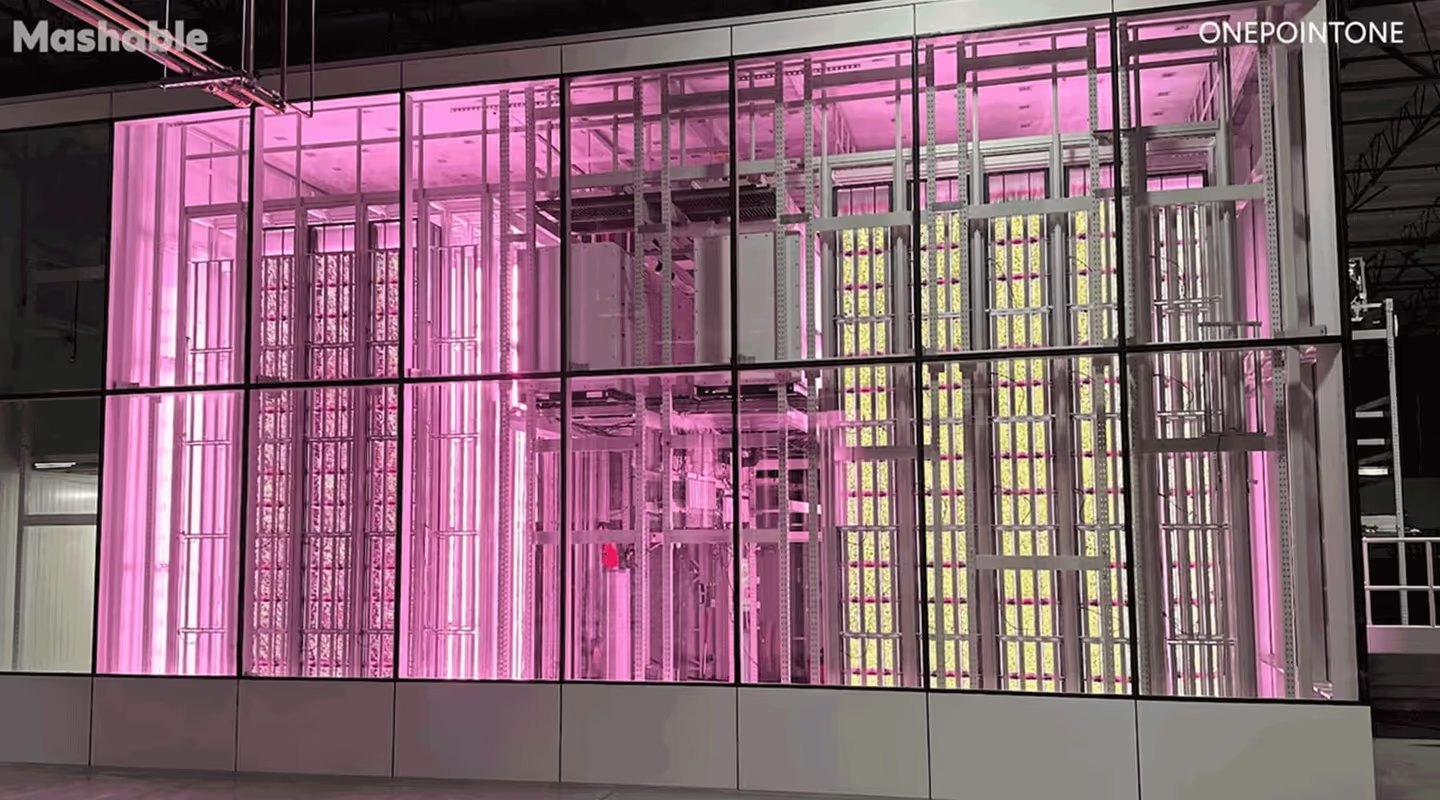
We are inspired by Vertical Harvest in Jackson, Wyoming — a glass-walled facility where the public can watch crops being grown and harvested in real time — and by how similar technologies are now being successfully deployed at scale in leading retailers such as Whole Foods Market. Vertical farming can increase crop yields by 10–20× per acre compared to conventional field farming, while using up to 98% less water through closed-loop systems. Cutting-edge automated platforms like the Opollo Farm — developed by OnePointOne in partnership with AutoStore — already supply fresh greens to Whole Foods stores via AI-driven, robotic, stacked growing environments. By integrating these innovative vertical systems alongside traditional agricultural methods, we aim to build a resilient, locally focused food ecosystem that shortens supply chains, conserves land and water, and delivers fresher, sustainably grown produce year-round.
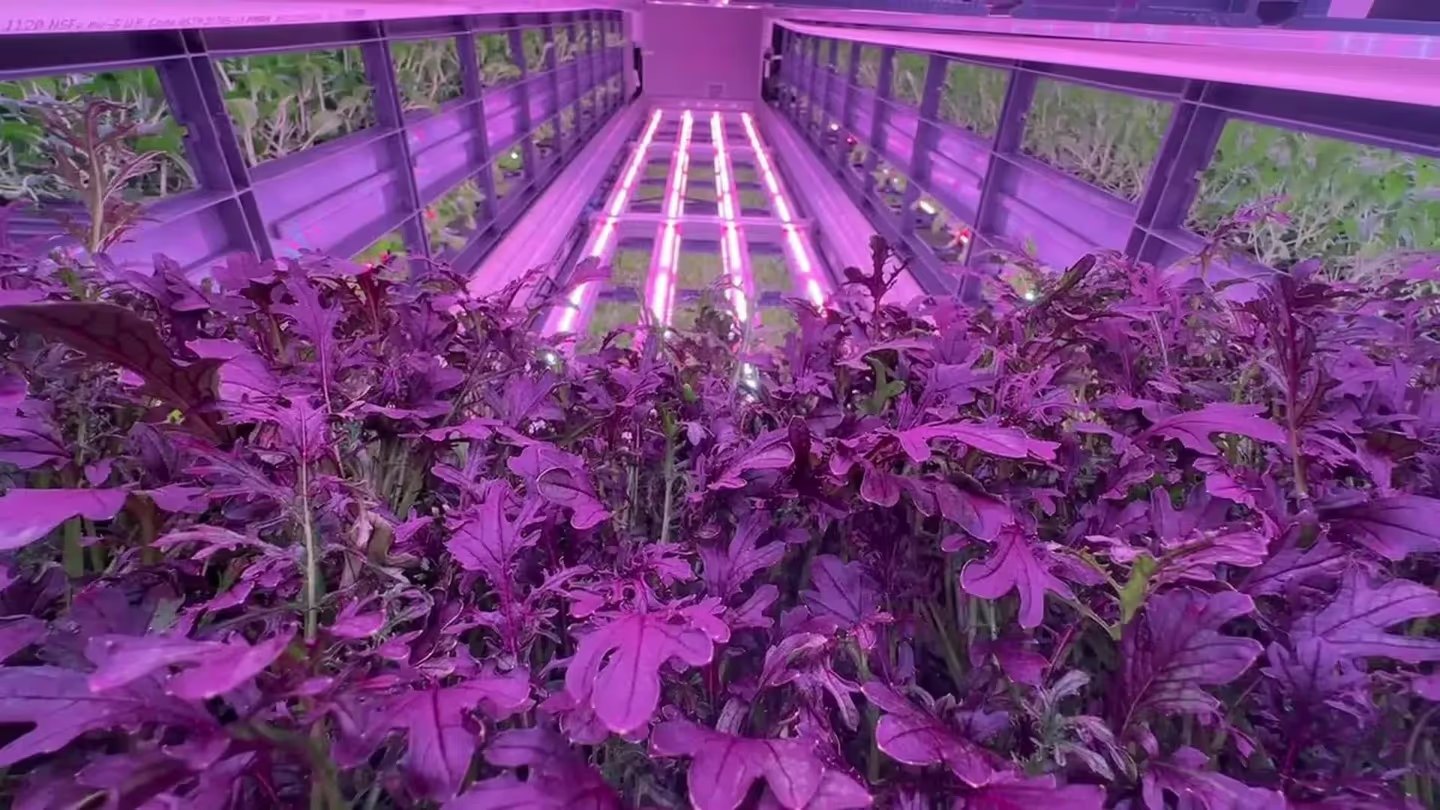
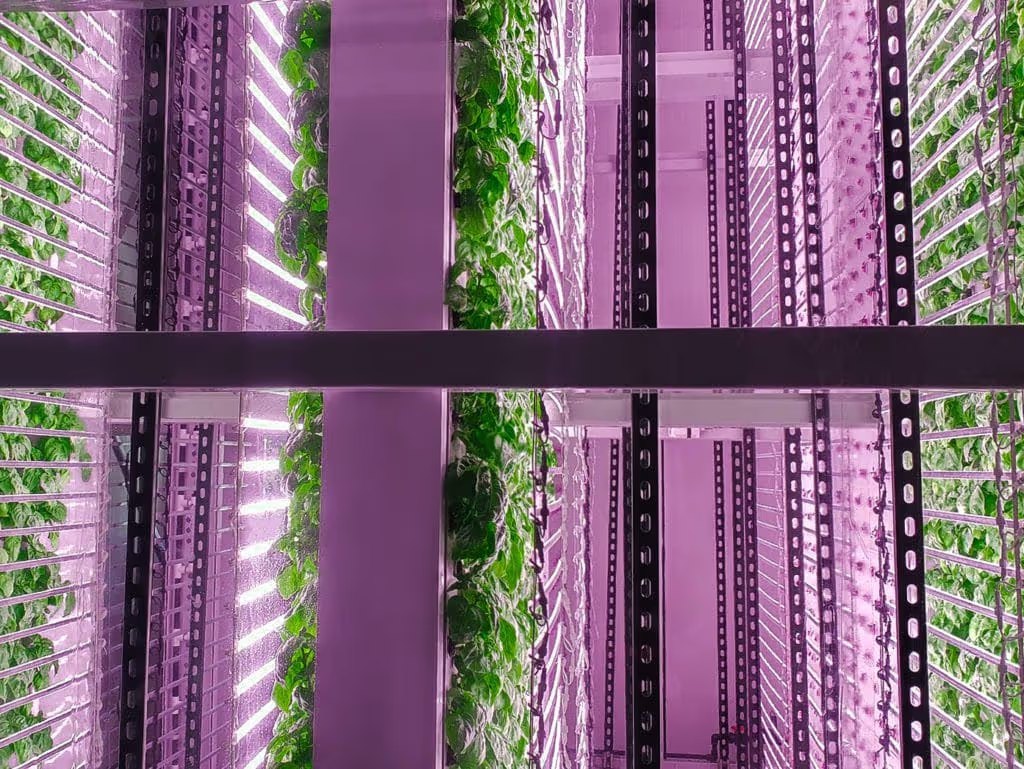
Community-Controlled Farming for Long-Term Health and Resilience
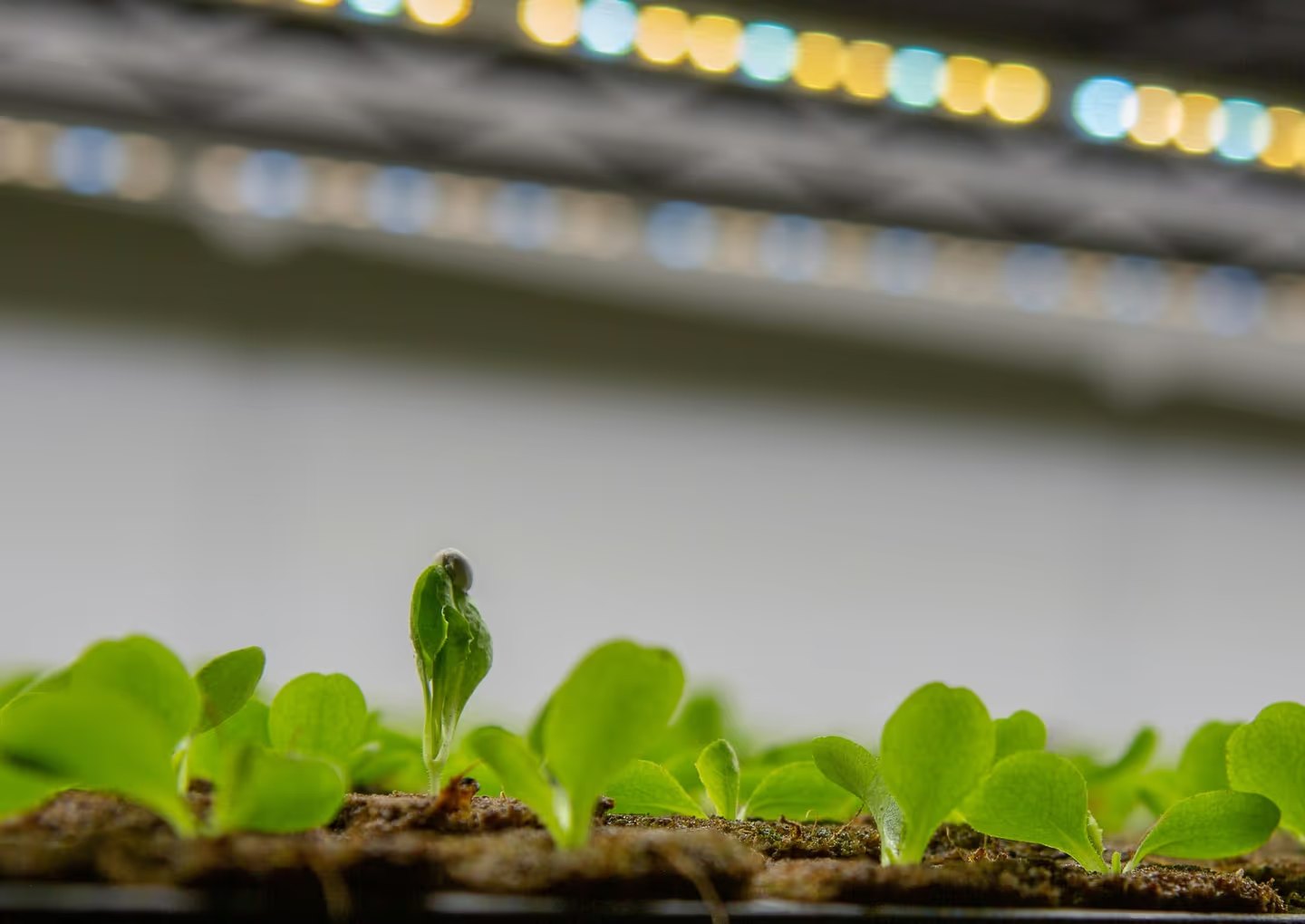
The Grand Teton Club, blessed with our own water sources from underground wells and the Teton River, pump systems and approximately 750,000 gallons of underground potable water storage, is committed to introducing both vertical and traditional agricultural farming methods on the club grounds.
Our goal is to allow our community to control the use of agrichemicals such as pesticides, fertilizers, and herbicides — as well as decisions around GMO crops.
For animals raised as food sources, separate governing committees will decide on policies regarding the use of antibiotics, hormones, growth stimulants, and tranquilizers — giving Members meaningful choice in how the community's meat and dairy are produced, and how animals are raised, treated, and fed over their lifetimes.
Geothermal Energy
Geothermal Resource Research & Evaluation
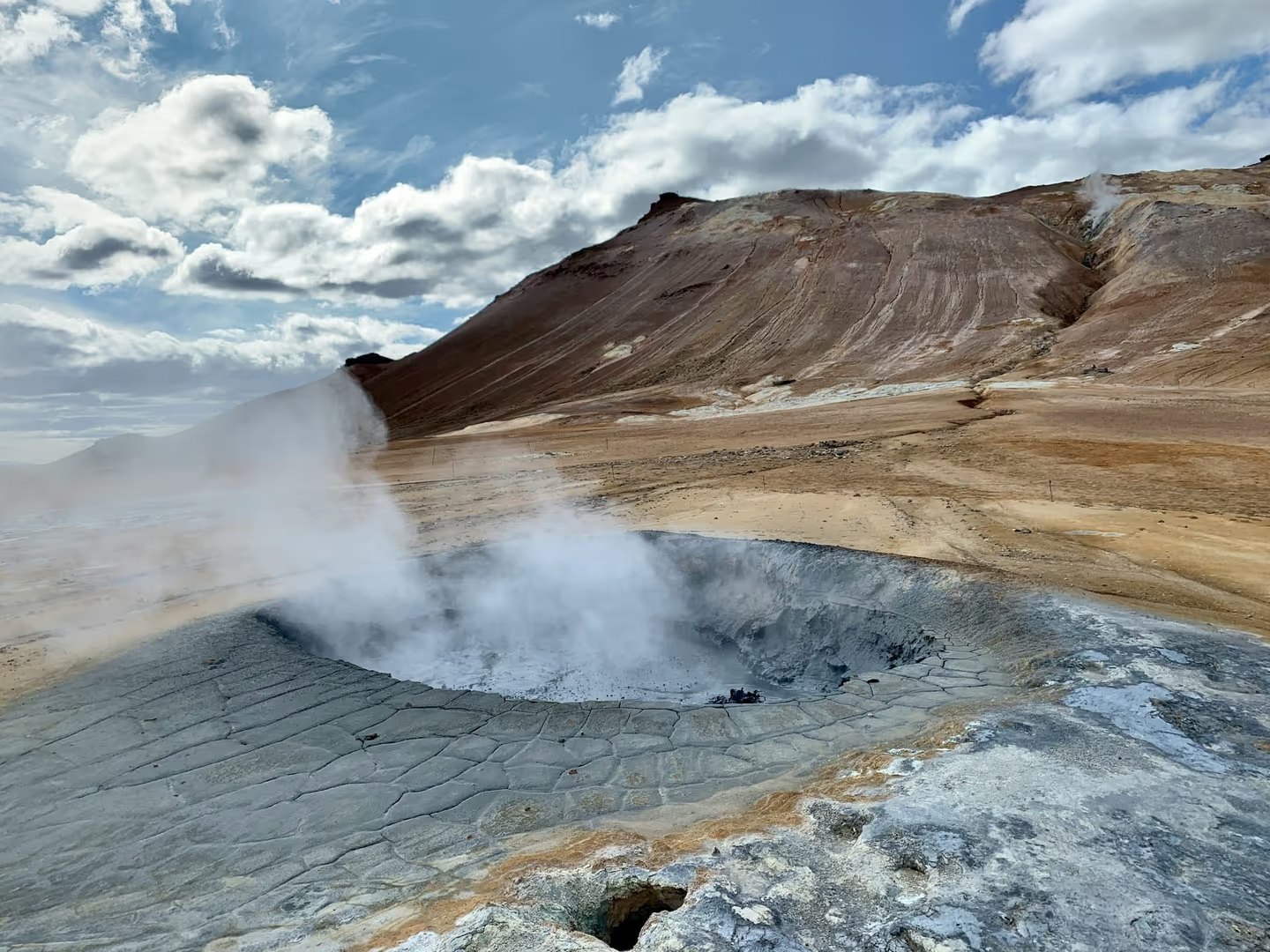
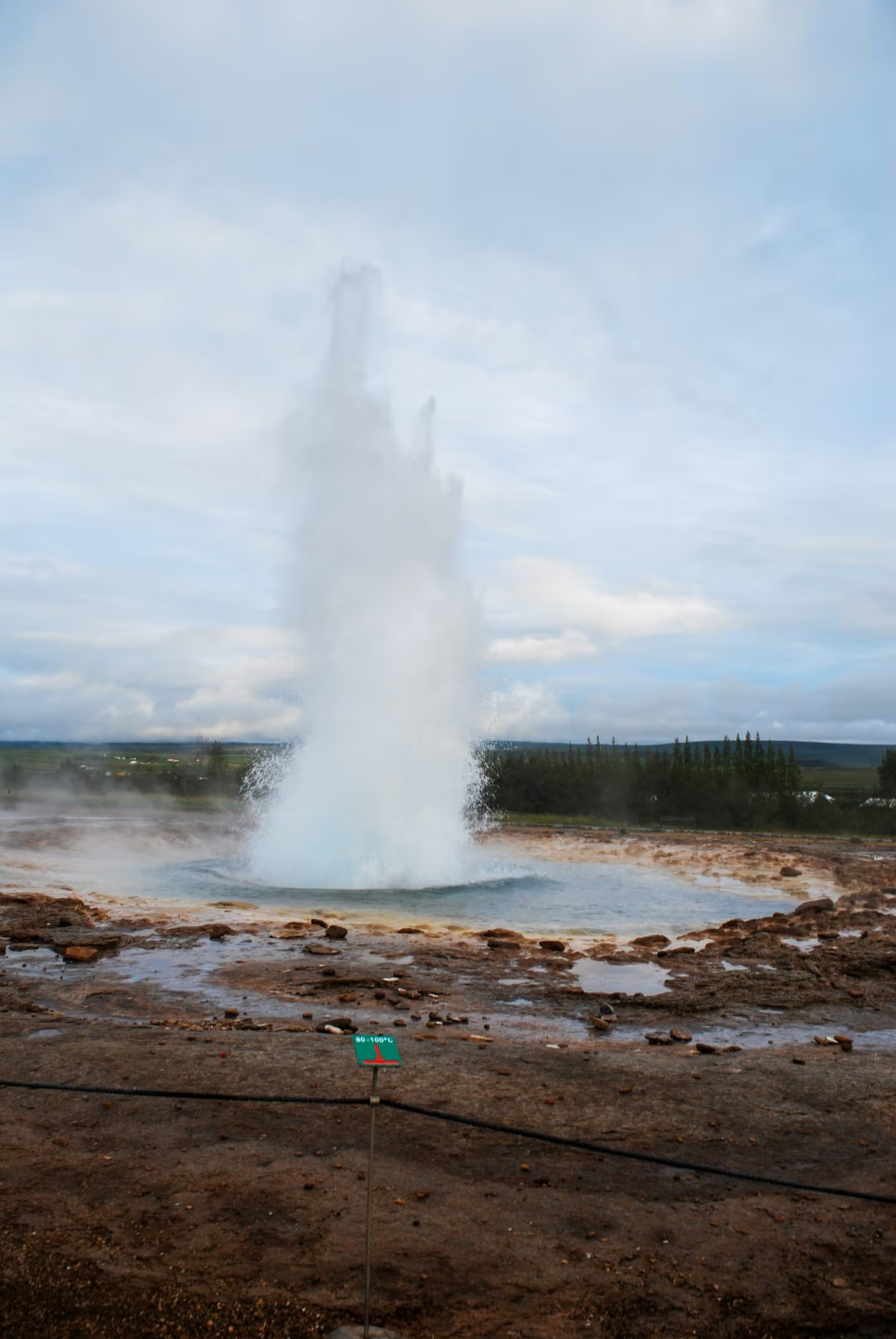
Geothermal energy is a sustainable, eco-friendly, and renewable resource, and it represents a significant long-term opportunity for The Grand Teton Club. To date, we have invested more than $100,000 with geotechnical engineers, geologists, and academic researchers to study the geothermal mineral spring system believed to exist beneath our land. Most recently, a PhD researcher, two university professors, and an experienced geothermal consultant visited the property to collect and analyze water, soil, and rock samples from our site and nearby hot spring facilities.
Identifying Geothermal Heating & Cooling Potential
Early findings indicate strong potential for geothermal heating and cooling applications. Ongoing analysis will help determine the depth, temperature, volume, and chemistry of the geothermal waters and whether additional uses, such as a geothermally heated hot spring or shared thermal water systems, may be feasible. Based on these results, we anticipate drilling an exploratory well to further evaluate the resource and guide future development.
Toward Energy & Water Self-Sufficiency
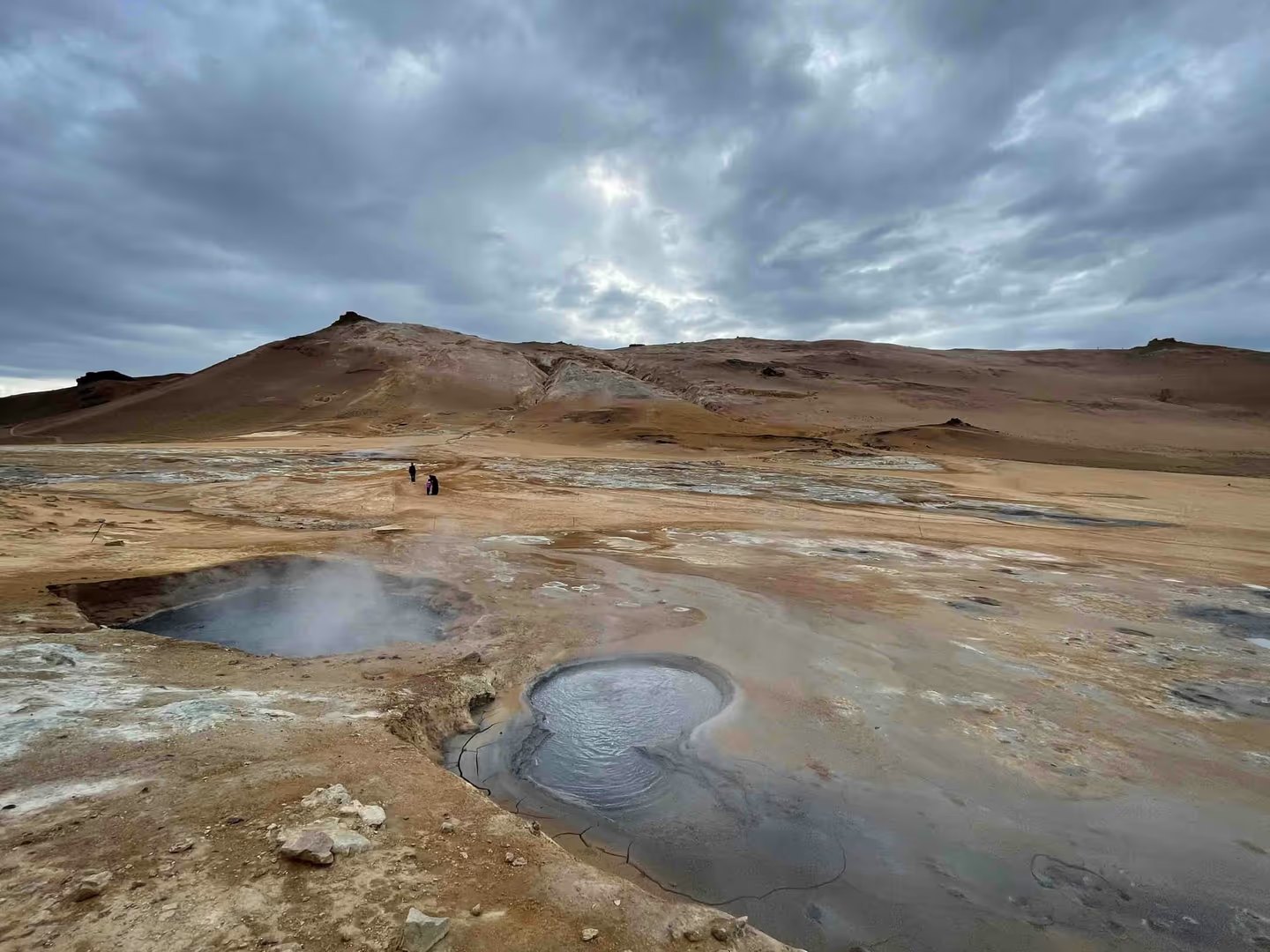
If successfully implemented, geothermal systems could significantly reduce the community’s reliance on outside energy sources. In combination with other on-site renewables, this effort has the potential to move The Grand Teton Club toward long-term energy and water self- sufficiency.

Instagram
Facebook
X
Youtube
LinkedIn
TikTok